Summer Concreting

For concreting in summer and high temperatures from approx. 25 °C, special measures must be taken to ensure the desired concrete properties both during production and during processing and curing.

What is the optimal concrete temperature in summer conditions?

DIN 1045-2/3 or ACI 305-R20 specifies that the fresh concrete temperature in general +30°C must not exceedunless suitable measures are taken to ensure that no adverse consequences are to be expected. For massive structural elements and tunnel structures, this upper limit is maximum +25°C. As a general rule, a fresh concrete temperature too high affects the maximum hardened concrete temperature to be maintained. If the prescribed temperatures are not complied with, even a Total damage to the component occur. If it can be estimated that the defined fresh concrete temperature cannot be guaranteed at the installation site, delivery and use of the concrete is then only possible without a warranty.

Your advantages of concrete cooling

Fresh concrete temperature

maximum +30 °C to +10°C

Workability

over a longer period of time (min. 90 minutes)

Safety and warranty

through compliance with the normative requirements

Best concrete properties

Rapid attainment of freeze resistance and short shutdown times

How to cool concrete?

Fully comprehensive solution for concrete cooling with cold water, ice, and silo cooling

For the production of fresh concrete in the summer are available Three levers available:

  • The cooling of the addition water
  • The cooling of the aggregates in the silo
  • The use of ice (instead of water)

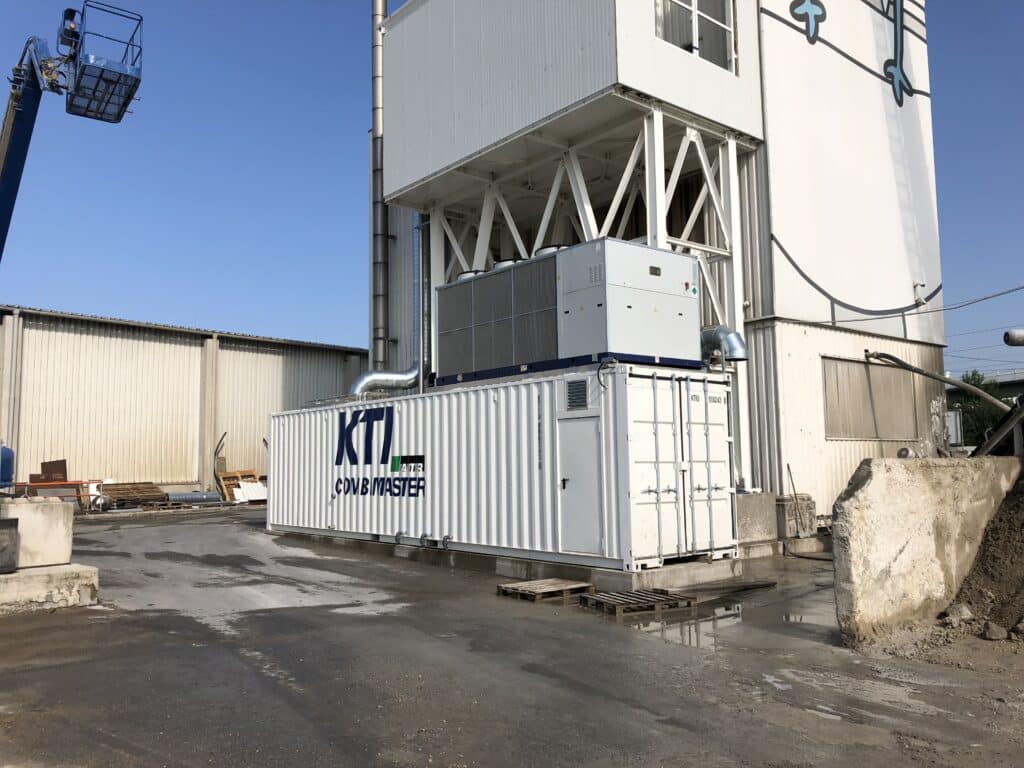
KTI offers a range of solutions for cooling water, silos and for the production of ice.

Our solutions for concreting in summer

KTI has the perfect solutions in its portfolio for summer concreting, so that the concrete can achieve the defined properties during curing and as hardened concrete.

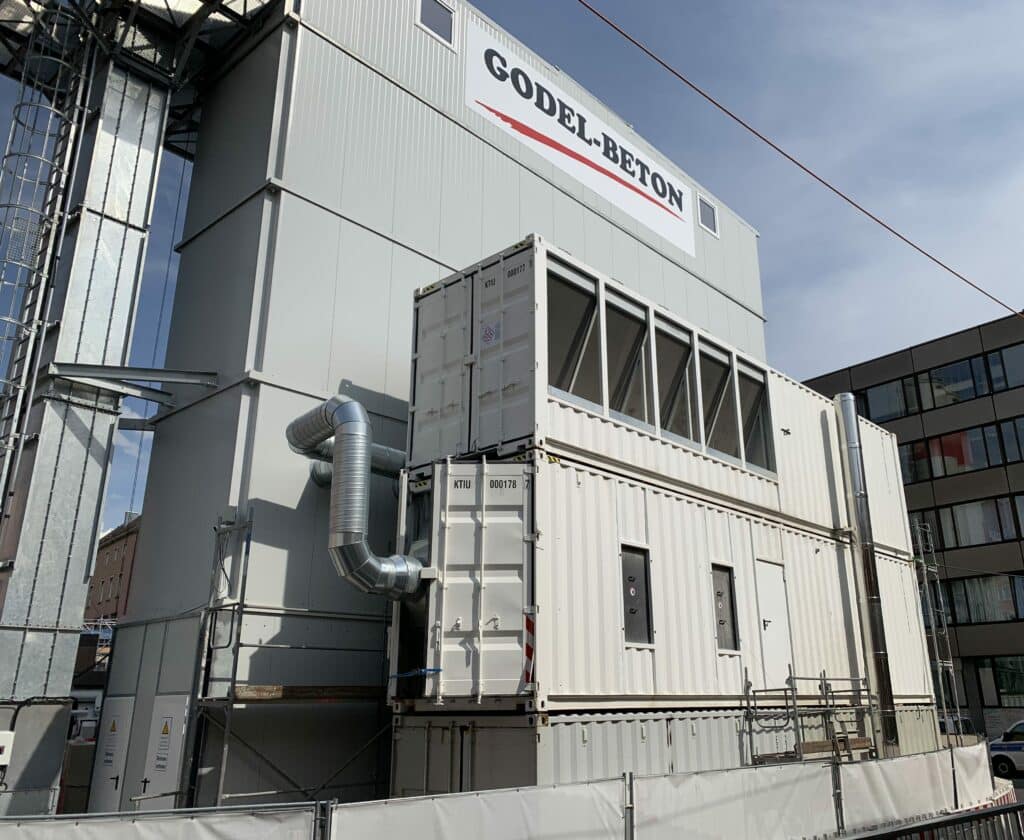
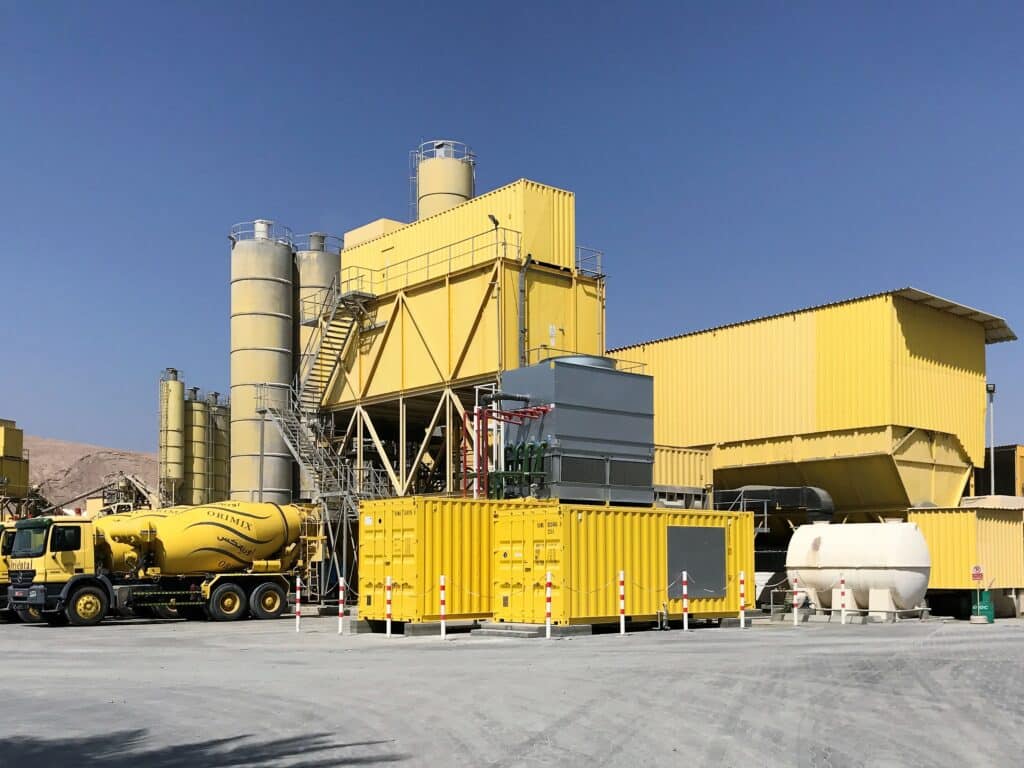
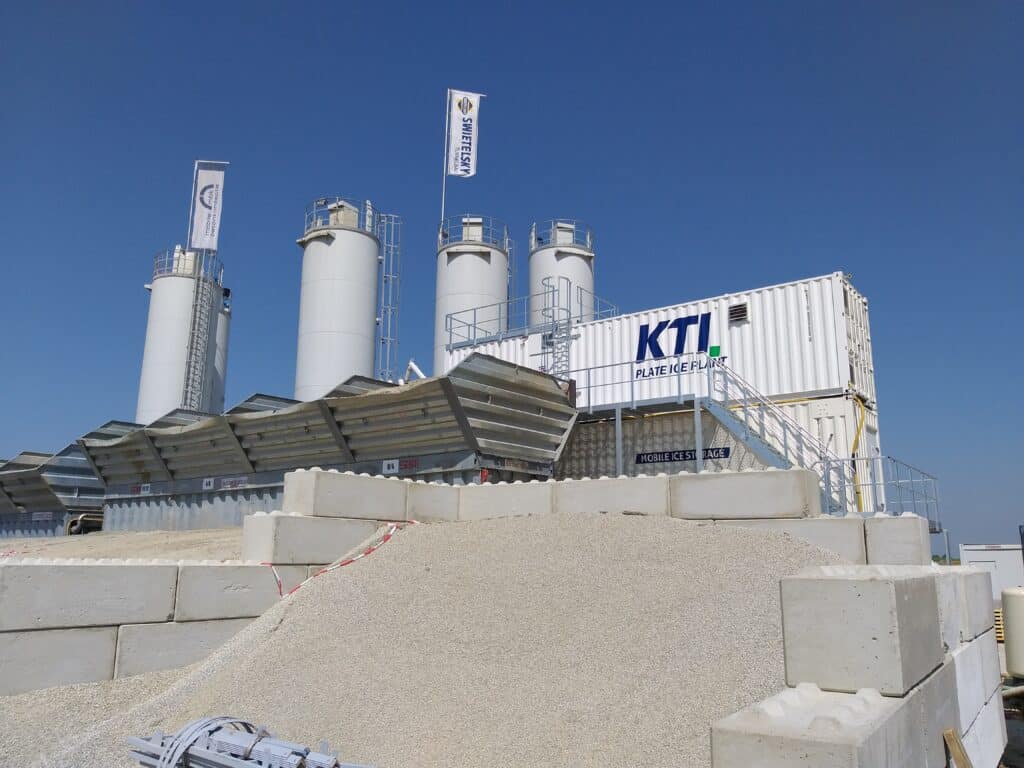
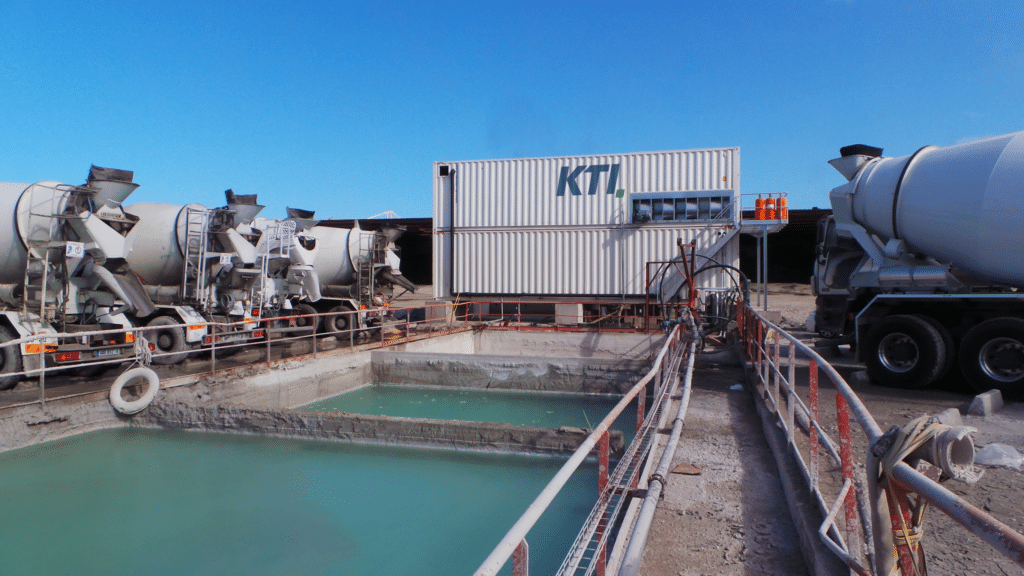
Summer concreting gallery

What are the effects of high temperatures when pouring concrete?

High fresh concrete and ambient temperatures affect both fresh and hardened concrete properties. They influence workability, strength as well as surface finish and early shrinkage. Workability Accelerates setting and leads to faster stiffening of the concrete. This shortens the workability of the concrete. To prevent rapid setting, water is often added subsequently to improve the consistency. Disadvantage: The final strength is reduced. Strength High fresh concrete and ambient temperatures lead to higher early strengths and often lower final strengths in hardened concrete. Surface finish and early shrinkage Excessive water evaporation near the surface causes the concrete surface to “die of thirst”. This impedes the hydration of the concrete. Negative consequences can be:

lower strength in the concrete edge zone

The lower the concrete temperature, the longer the strength development takes.
Concrete at +5 °C needs about twice the time for strength development than concrete at +20 °C.
If the concrete temperature drops below -10 °C, the curing process comes to a complete standstill.
KTI SAUTER has three solutions for concrete heating at low temperatures: 1. hot air system 2. hot water system 3. TURBO.

What measures are to be taken in the concrete plant for concrete cooling?

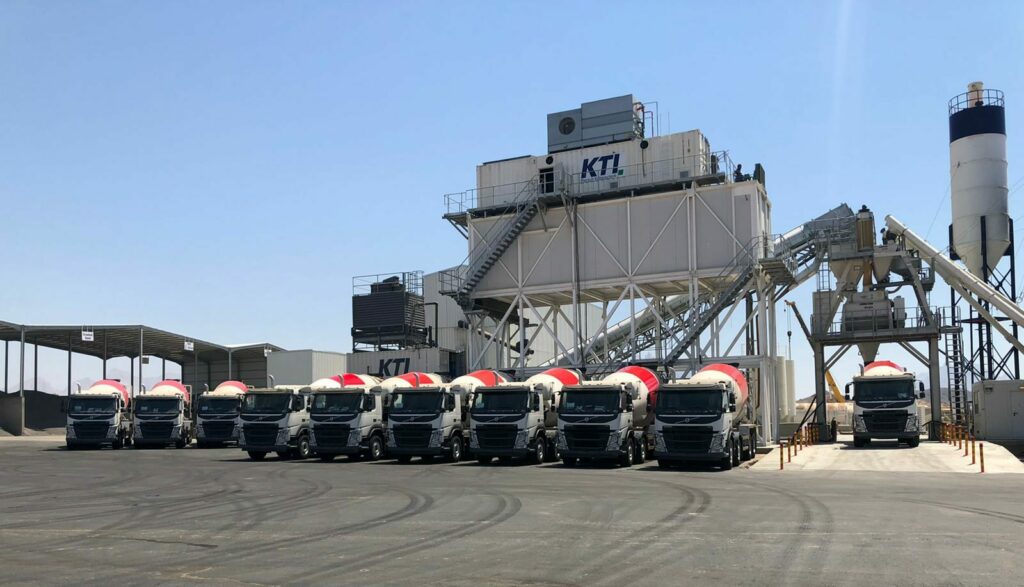
These measures are suitable for keeping the fresh concrete temperature below +30 °C:

Cool storage and active cooling of the starting materials. The aggregates determine to about 70 % the temperature of the fresh concrete. Their cooling is therefore the most effective measure for regulating the fresh concrete temperature.

Mixing of the concrete with the addition of chilled water or flake ice.

Protect or insulate water tanks and water pipes from sunlight.


For critical construction sites (e.g. tunnels), the concrete temperatures should be selected somewhat lower to ensure longer workability.

In a nutshell

According to DIN 1045-3 or ACI 305-R20, the fresh concrete temperature should generally be +30 °C must not be exceeded.

Temperatures too high influence the workability, strength, surface finish and early shrinkage of the fresh concrete.

KTI has various solutions for concrete cooling at high temperatures in the portfolio: 1. ice/cold water plants 2. silo cooling 3. ice plants with ice storage and ice transport.

During the setting process Heat of hydration. This causes an expansion of the concrete. After curing, the concrete cools down and the volume decreases. This can lead to stresses and cracks in the concrete. Therefore, the concrete must be cooled.

High fresh concrete and ambient temperatures lead to higher early strengths and often lower final strengths in hardened concrete.

Project consulting​

Our experts will be happy to support you in the planning and implementation of your project.